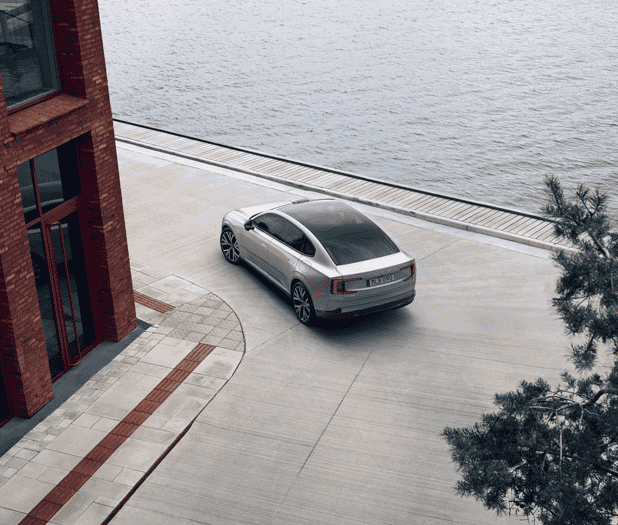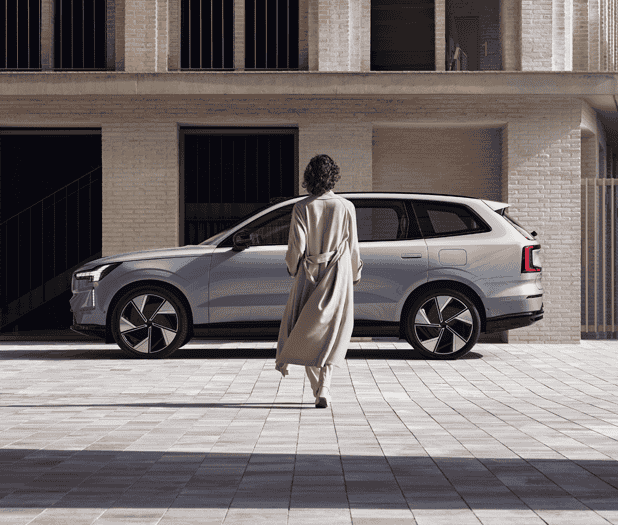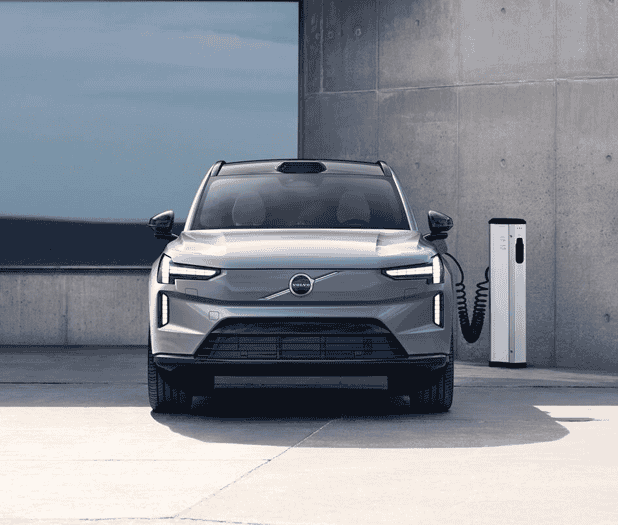

How the three main actors on the electrified modern stage of the auto industry – Europe, the USA, and China – see the answer to this question.
The world of mobility and automobiles has been anything but a boring place in recent years. And, if we set aside slight deviations from the main course in the short and medium term, the automotive industry will be driven by several trends and regulations – though not necessarily at the same speed or trajectory – across three major hubs: Europe, the USA, and China.
Europe may slow down the realization of its goal, but it will not abandon it – to become a sustainable and carbon-neutral continent. This means, on one hand, energy independence, and on the other – accelerating the electrification of vehicles.
Diesel Recedes
By 2025, the share of electrified vehicles sold out of the total new car market is approaching one quarter. The diesel engine, once dominant in many countries, is now destined to serve primarily commercial vehicles. Dieselgate (the 2019 scandal surrounding the manipulation of tests for 9 million diesel cars sold in Europe and the USA – Ed.) and excessively high pollution levels – particularly nitrogen oxides and PM2.5 – preordained the path of this otherwise decent technology. The Euro VII standard, arriving in 2026–27, will only accelerate the inevitable. And the sooner we get rid of old diesel cars on the roads, the better for the health of our children and parents.
The pressure on automakers to reduce their carbon footprint leads, on one hand, to the launch of many new electric models that are significantly better than the previous generation of EVs, and on the other – toward the introduction of technologies in gasoline engines that reduce fuel consumption and emissions but increase their price. Europe, though late to the game, is trying to catch up in terms of affordability, production capacity, and supply chain. Even in Bulgaria, you can now buy a very decent new electric car for 50,000–60,000 BGN!
The Transition is Not a Matter of "If," but "When"
The combination of incentives for electrified vehicles and restrictions on older polluting cars will increasingly drive the momentum toward a full transformation. From an efficiency standpoint, the path is correct – the efficiency (COP) of an electric motor is significantly higher than that of an internal combustion engine (ICE). But there are several obstacles along this path, and basic ones at that – consumer habits, a still-maturing charging station network, and price. However, all this will change in the next 5 years.
America will also transform, but at a much slower pace, and policy there has recently veered in a different direction. People's mobility in the States is different, not least because of their oil self-sufficiency. Thus, the America of big shiny pickups and off-roaders will continue to dominate, and the transformation will happen, but in a way that differs from Europe.
We then come to the largest car market in the world – China. More new cars are sold in the country in a single day than in Bulgaria over 2 years, which is an important perspective in the context of local anxieties regarding automobiles and the future of EVs. About half of the new vehicles sold in China are electrified – so much for the death of electric cars!
All this is the result of well-planned and implemented policy at both central and local levels. In Shanghai, if you buy a car with an ICE, you will pay a staggering amount—around $6,000—just for registration. However, if you buy an electric one, the fee is only $50. Moreover, the electric car outperforms the good old internal combustion engine in many respects – efficiency, noise, acceleration, torque, and of course – gases burned and exhausted into the atmosphere. There is also geopolitics involved – China cannot catch up with the West in ICE technology, but it can try to dominate in new technologies.
The World of Mobility is Already Different
Ultimately, the death of electrified vehicles turns out to be greatly exaggerated, and the future undeniably belongs to them. How quickly they conquer the roads depends on each region and country. In Northern Europe, sales of electrified vehicles dominate, while in the South, they are still storming the 10% mark. But just as horses and donkeys gave way to the progressive ICE at the beginning of the 20th century, by the middle of the current one, sales of new non-electrified cars are on their way to becoming a rarity in many parts of the planet.
But there is something else on the stage that we should not underestimate – autonomous vehicles, flying cars, shared mobility – all technologies currently in development. They are still limited by technological imperfections, but with the dawn of the AI era, this could soon change.
Whatever happens and however it happens, one thing is certain – the world of mobility will never be the same. For the better.
By Aleksandar Kostadinov